Skip to content
CNR Medicare

Online Doctor

Follow-Up Online Doctor Consultation in Istanbul

A remote follow-up lets you discuss progress after earlier medical care during your Istanbul stay. The clinician decides whether video or phone review is enough.

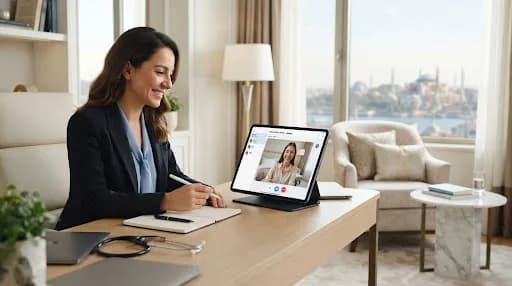
Woman at a hotel desk on a video call with a doctor on her laptop, Istanbul skyline in the window
  • 24/7 WhatsApp & phone
  • Doctor at your hotel in 30–60 min if needed

REMOTE CONSULTATION REQUESTS · ISTANBUL

Ask about a remote doctor consultation

  • Call or video arrangements

    The available consultation method is explained before the appointment is confirmed.

  • 24/7 request line

    WhatsApp and phone requests are accepted 24/7; appointment times depend on clinician availability.

  • Remote-care limits

    A clinician may recommend an in-person examination, testing or another care setting.

PRICING & SUITABILITY

Before you book

  • Quoted consultation fee

    The consultation method, appointment time, scope and fee are confirmed before you book.

  • Remote-care limits

    A clinician may recommend an in-person examination, testing or another care setting.

  • Individual clinical decisions

    A consultation does not guarantee a document, medicine or prescription; the treating doctor decides what is clinically appropriate.

A follow-up online consultation starts with an earlier medical decision. It gives you a place to report what has changed since that assessment, whether the advice was workable and whether a new symptom has appeared. CNR Medicare coordinates the appointment; the treating clinician reviews the updated information and decides whether remote follow-up, an examination or another service is appropriate.

Use the first assessment as the starting point

A follow-up is different from asking a new doctor to start again without context. Bring the date and reason for the earlier appointment, what you were told, any medicine or test that was recommended, and whether you have the written instructions. A clinician reviewing you remotely needs to know what was actually assessed and what remained uncertain. If the earlier care was provided outside CNR Medicare's coordination network, share the relevant report or discharge information through the agreed private method. Do not rely on a remembered label alone when the original document is available.

Describe the interval since that first assessment in ordinary terms: which symptom improved, what is unchanged and what has become worse. Mention any new symptom separately. Explain whether you were able to follow the treatment plan and, if not, what prevented it. A missed medicine, an unavailable product, a travel schedule change or an unexpected reaction may all alter what the clinician recommends. The purpose is to assess the current position, not to obtain automatic reassurance that the first plan remains appropriate.


Track change without guessing the cause

Before the call, write a brief timeline from the original appointment to today. Include meaningful changes in symptoms, measurements you were specifically asked to record and any test results that arrived. If pain moved, fever returned or the ability to eat, drink, walk or sleep changed, say when that happened. For a wound or skin concern, the clinician may ask for a current image, but photographs should be sent only through the agreed channel and may still be insufficient without examination. Do not adjust a prescribed treatment just to make the follow-up story simpler.

Some improvement does not rule out a separate new problem, and some lingering symptoms require more time or a different assessment. The clinician considers the pattern and the original diagnosis in light of the present information. If you have a question about a medicine, have the package and actual use available, including any doses missed or stopped. If a test was ordered by the first clinician, bring the complete result rather than an isolated number. The follow-up decision depends on this context and the treating professional's judgment.

Choose the right provider for continuity

When possible, tell the team whether you are trying to follow up with the same clinician who assessed you before. Continuity can make it easier to compare findings and understand why the original plan was chosen, but the actual appointment depends on availability. If another clinician sees you, provide the earlier record and explain any advice that was difficult to follow. An online review can still be useful, provided the new clinician has enough information to make an independent assessment of your current concern.

Some problems belong back with a treating surgeon or specialist, particularly when the earlier provider has given a written plan for recovery or surveillance. A remote follow-up arranged through CNR Medicare should not overrule those instructions without proper communication and clinical assessment. If the earlier provider requested a physical review, ask before substituting a video appointment. CNR Medicare can coordinate practical contact or another service, while each treating professional remains responsible for the recommendations they make.

Recognise when remote follow-up is too limited

A clinician may be unable to judge healing, hydration, breathing or a new physical finding through video or phone alone. The follow-up may therefore lead to a hotel doctor visit, laboratory test, clinic assessment or other service. That is a useful outcome when it identifies the information needed for a sound decision. Ask what should be examined, whether the earlier plan should continue pending that assessment and how you should communicate the result back to the treating clinician. Additional appointments and tests are separate arrangements unless your quote says otherwise.

If your condition has deteriorated markedly, do not wait for a routine follow-up slot. New severe chest pain, serious breathing difficulty, stroke signs, loss of consciousness, major uncontrolled bleeding or a severe allergic reaction require emergency services.

Leave the follow-up with a usable plan

Ask the clinician to separate what is known from what still requires examination or monitoring. Clarify whether previous instructions remain in force, whether any medicine has been changed through a formal assessment, and which changes in symptoms should prompt contact. If a result needs review, ask who will review it and how you will receive the recommendation. Write down the plan or ask what record will be provided. Do not assume that a repeat prescription, report or certificate is included simply because it was discussed during the first appointment.

Visitors often have travel dates that make continuity difficult. Tell the clinician if you will leave Istanbul before a planned review or if another doctor will take over care. Ask which documents and results to take to that clinician. If the follow-up identifies a need for in-person care, CNR Medicare can help coordinate the enquiry, but the relevant provider decides clinical suitability and appointment details. The goal is a clear handoff, not an open-ended instruction to seek help only if you happen to feel worse.

Arrange the second appointment on its own terms

Send the date and type of earlier care, a concise update on symptoms, any new result and your preferred contact method to the coordination team. Confirm the proposed clinician, remote format, language, time and quoted fee. Ask whether the first consultation included a follow-up or whether this is a separate appointment; inclusion cannot be inferred. A message starts an enquiry and the appointment exists only after the details are confirmed. If the original clinician is unavailable, ask how the prior information will be communicated to the available provider.

Keep the second consultation focused on the changes since the first one, while remaining willing to explain the earlier history again if the clinician needs it. If you are seeking an administrative document or a medication change as part of the follow-up, say so before booking because that may affect the appointment scope. CNR Medicare coordinates access, scheduling and communication. The clinician reviews the current clinical picture and decides whether continuing remotely is appropriate or whether another form of care is required.

How it works

  1. Locate the earlier plan: Have the date, provider, main findings and recommendations from the first assessment available.
  2. Describe the change: Say what has improved, persisted or worsened and what new concerns have appeared.
  3. Confirm the follow-up: Review the remote method, available clinician, time, language and quoted scope.
  4. Agree on what happens next: Ask which symptoms or findings require another assessment and how the plan will be communicated.

CNR Medicare coordinates medical services for visitors in Istanbul. We are not a hospital or a clinic: examination, treatment and laboratory analysis are carried out by the licensed health professionals and partner facilities we work with.

Send your request

Leave a contact number and a brief request. The team will clarify the proposed arrangements with you.

At your location

Frequently asked questions

When is a follow-up online consultation useful?

It can be useful when you need to review how a concern has changed after an earlier assessment. Have the first plan and a concise update ready. The clinician decides whether remote review provides enough information.

Must the follow-up be with the same doctor?

Tell the team if you want continuity with the earlier clinician. Availability must be checked, and another clinician may review you if appropriate. Share the original notes so the new provider understands the prior assessment.

What should I prepare for a second consultation?

Bring the first appointment details, recommendations, medicines, any ordered results and a timeline of changes. State what has improved, persisted or worsened. Mention new symptoms rather than assuming they are part of the original problem.

Can the clinician review a new laboratory result remotely?

A result can be considered alongside the reason for testing and your current symptoms. The clinician may need the full report or additional assessment to interpret it. Ask who will communicate any next recommendation.

Is a follow-up appointment included in my first fee?

Check the original quote and the proposed new appointment scope. Inclusion varies with the agreed arrangement and should not be assumed. A separate service may carry a separate fee.

Can a follow-up change my medicine?

A treating clinician can consider whether a medication change is appropriate after an adequate assessment. Do not alter regular medicines based only on your own reading of symptoms. Bring the product details and explain any problem you experienced.

What if my first care was provided by my doctor at home?

Provide the relevant notes and explain the original plan and what has changed. The clinician in the new consultation must make an independent judgment with the information available. Some concerns are better directed back to your usual treating team.

Can I have a follow-up by phone instead of video?

Ask which remote methods are available for the proposed clinician. The provider decides whether phone supplies enough information for the question. A visual or physical assessment may be necessary in some situations.

How can I carry the follow-up plan home?

Ask what written record or result can be provided and keep the earlier documents together. Tell your usual clinician about any change made during the Istanbul assessment. Clarify who should review pending tests or unresolved symptoms after you travel.

Need help right now?

Message us on WhatsApp to arrange a follow-up consultation.

Send a request