Skip to content
CNR Medicare

Medical Aesthetics

PRP Treatment in Istanbul

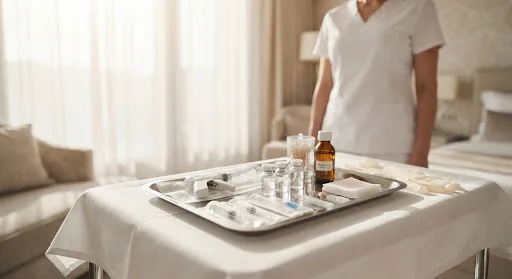
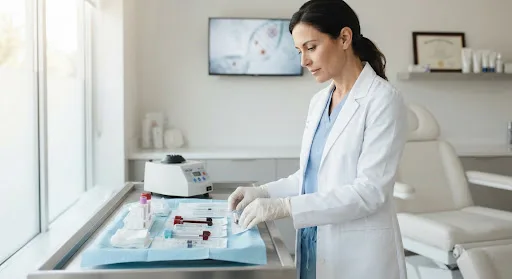
Clinician in a white coat preparing labelled blood tubes on a tray beside a centrifuge
  • English speaking

CNR Medicare coordinates PRP treatment in Istanbul for tourists and international visitors seeking clinician-led support for selected facial skin-quality concerns. Medical history, skin condition, treatment goals, previous procedures and the proposed PRP protocol are reviewed before the procedure is confirmed.

Define the PRP enquiry precisely

Platelet-rich plasma, or PRP, is prepared from a person’s own blood and used in a procedure chosen by a clinician. This page addresses an aesthetic enquiry about facial skin rather than scalp hair loss. Blood collection, processing and application are parts of one clinical pathway; a request for PRP should not be treated as a simple hotel beauty appointment.

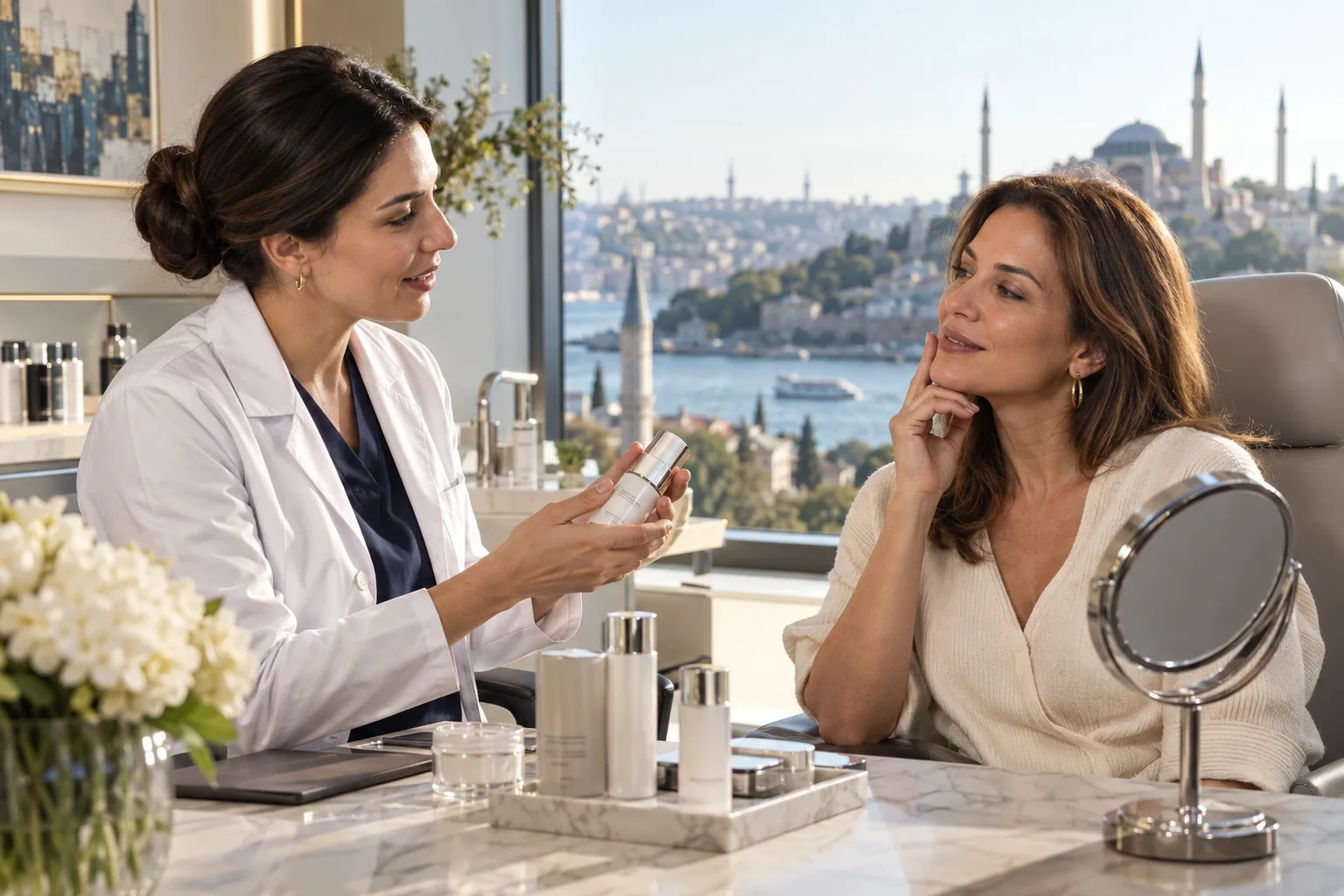
Tell the team which skin concern you want assessed and whether you have had PRP, injections or another aesthetic treatment before. The clinician considers skin condition, medical history and the proposed method before deciding whether PRP is suitable. Evidence for facial rejuvenation remains limited, so a consultation should cover uncertainty and alternatives without promising a visible change.

PRP is often described in promotional material as a natural way to renew facial skin, yet being prepared from a person’s blood does not establish a predictable cosmetic benefit. Ask what evidence supports the proposed application and what alternative approaches the clinician would consider for the same concern. The practitioner should also explain the additional steps involved in collecting and processing blood. If the potential benefit remains uncertain for your goal, it is reasonable to book only an assessment or to decline the procedure. The decision should come from an informed discussion rather than a before-and-after photograph.

Understand the collection and preparation steps

PRP preparation requires a blood sample and equipment that separates blood components. The practitioner then uses the prepared material according to a defined procedure. Details can vary by provider; ask how the sample is identified, where it will be processed and what application method is proposed. The fact that the material comes from your blood does not remove the ordinary risks of blood collection or an invasive skin procedure.

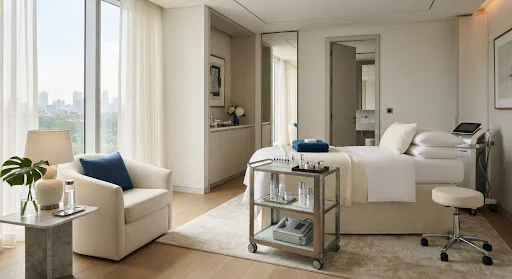
The full process influences venue selection. A hotel request can start coordination, while the provider determines whether the equipment, infection-control conditions and clinical support are available at a proposed location. Do not assume collection, processing and treatment can all occur in the accommodation. The clinician should confirm the setting before the appointment is final.

Review whether your skin and history fit the plan

Mention medicines, supplements, allergies, previous procedures, a history of fainting with blood draws and any active skin problem. The clinician may need to examine the area, defer treatment or suggest a different approach. If you are considering PRP because of a rash, infection or rapidly changing lesion, a diagnostic appointment may be more useful than an elective aesthetic procedure.

Ask what the practitioner expects PRP to address in your particular case and which concerns it cannot reasonably address. A claim that it will make every person’s skin look younger would be misleading. The number of appointments, intervals and possible follow-up should be discussed only after the professional has selected a plan.

Confirm the appointment, quote and consent

CNR Medicare can help organise the assessment, provider and communication for a visitor in Istanbul. The treating professional decides whether PRP is appropriate, explains the technique and obtains consent. Review the proposed procedure location, whether assessment and treatment are part of one booking, and what is covered by the quote. A message requesting PRP is an enquiry, not an automatic appointment.

If the consultation changes the proposed procedure or identifies a reason not to proceed, ask for an updated plan rather than treating the original quote as a treatment obligation. A photograph or short description can guide booking, but does not replace examination when the clinician requires it. Keep questions about preparation and medicines for the relevant healthcare professional.

Discuss reactions and a route for review

Blood collection can cause local bruising or lightheadedness, and a skin procedure can cause tenderness, redness or other reactions. The provider should explain what is expected for the actual method used and which changes warrant a call. Follow the specific post-procedure instructions rather than copying restrictions from a different PRP technique.

Increasing pain, signs of infection, significant bleeding or another unexpected problem should be assessed by the treating team.

Plan realistic follow-up beyond Istanbul

If you leave Istanbul soon after the procedure, ask what record you can take home and how the clinician will handle questions that arise later. Review can consider your initial concern, the skin’s response and whether any other care is needed. A single photograph taken immediately after treatment is not a reliable measure of long-term benefit.

Where the evidence for an aesthetic claim is uncertain, ask the clinician to explain that uncertainty directly. CNR Medicare can coordinate an appointment and facilitate communication, but does not make a medical efficacy claim. The decision to proceed, defer or choose another treatment belongs to you and the responsible professional after an informed discussion.

Related services

Need help right now?

Share your hotel, symptoms or service request on WhatsApp to ask about service availability.

How it works

  1. Describe your prp treatment concern: Contact CNR Medicare with your Istanbul location, preferred language, main skin concern, previous aesthetic procedures and the dates you are available.
  2. Share relevant medical history: A qualified medical professional reviews your skin, medical history, medicines, supplements, allergies, previous procedures and treatment goals before deciding whether PRP is appropriate.
  3. Review the clinician’s proposed plan: The proposed PRP protocol, treatment area, procedure setting, expected limitations, possible adverse effects, follow-up plan and total proposed price are explained before confirmation.
  4. Confirm the appointment and setting: A blood sample is collected and processed to prepare platelet-rich plasma, which is then administered to the confirmed treatment area by the treating professional.
  5. Understand follow-up instructions: Follow the practitioner's post-procedure instructions and arrange review if significant pain, persistent swelling, signs of infection or another unexpected reaction develops.

PRP Treatment

Contact us about PRP.

CNR Medicare coordinates medical services for visitors in Istanbul. We are not a hospital or a clinic: examination, treatment and laboratory analysis are carried out by the licensed health professionals and partner facilities we work with.

Send your request

Leave a contact number and a brief request. The team will clarify the proposed arrangements with you.

At your location

Frequently asked questions

What is PRP treatment?

PRP treatment uses a platelet-rich plasma portion prepared from the patient's own blood. The blood is collected, processed in a centrifuge and the prepared PRP is then administered to the selected treatment area according to the practitioner's protocol.

What is PRP used for on this page?

This service focuses on clinician-led PRP for selected facial skin-quality and rejuvenation concerns. Suitability and the treatment objective are determined during assessment.

Does PRP use someone else's blood?

No. Standard autologous PRP is prepared from the patient's own blood and then used for that same patient.

How many PRP sessions will I need?

There is no session count that fits every facial skin concern. The clinician first decides whether PRP is appropriate, then explains any proposed plan and how it would be reviewed.

How soon can I assess the result of PRP?

Ask the practitioner when your own skin should be assessed and which change would be meaningful. Facial PRP has uncertain aesthetic benefit, so an immediate photograph is not proof of a lasting result.

What reactions can occur after PRP treatment?

Temporary redness, swelling, tenderness, bruising, local discomfort or minor bleeding can occur. Persistent or worsening symptoms should be reviewed by the treating professional.

Can PRP be performed at my hotel in Istanbul?

Do not assume a hotel request determines the treatment venue. PRP requires blood collection and processing equipment, so the actual location is confirmed according to the provider's procedural requirements.

What should I tell the practitioner before PRP?

Share relevant medical conditions, medicines, supplements, allergies, previous aesthetic procedures, previous reactions and any active skin problem in the proposed treatment area.

Is PRP proven to create the same facial rejuvenation result for everyone?

No. Evidence for facial skin rejuvenation with PRP remains limited, and an individual result cannot be promised. Ask the clinician to explain the evidence, alternatives and uncertainty for your particular concern.

How do I arrange PRP Treatment with CNR Medicare?

Contact CNR Medicare with your skin concern, Istanbul location, available dates, previous procedures and preferred language. The team can coordinate practitioner assessment, appointment details, treatment location and pricing before confirmation.

Updated

Send a request