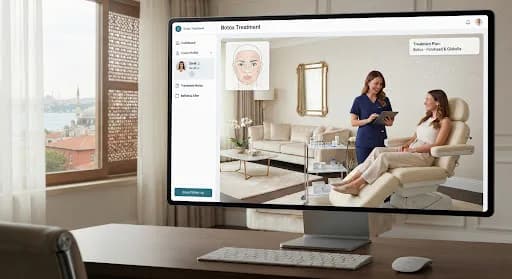
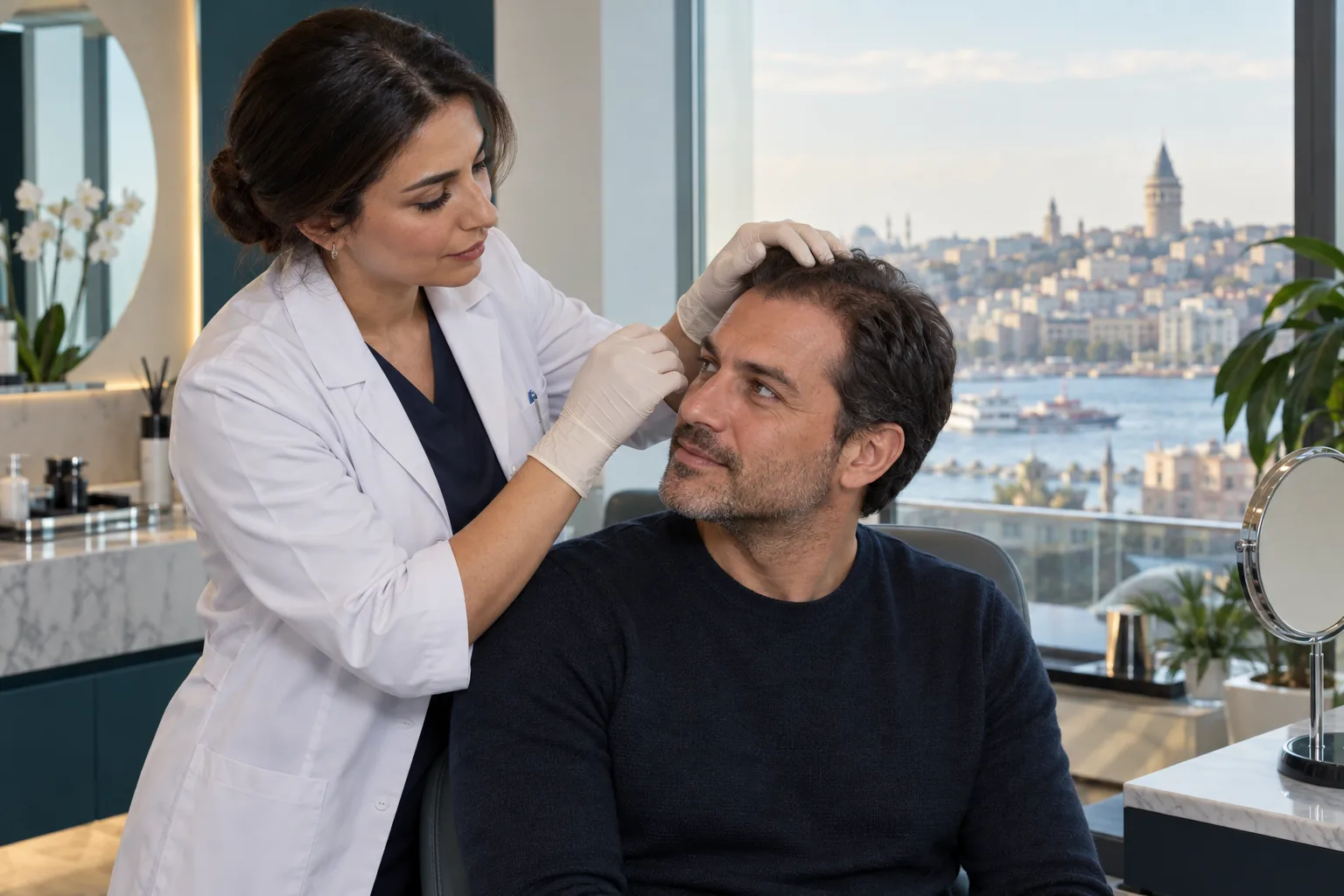
CNR Medicare coordinates dermal fillers treatment in Istanbul for tourists and international visitors seeking clinician-led facial volume and contour assessment. Facial anatomy, previous procedures, medical history and aesthetic goals are reviewed before an appropriate filler product, treatment area and clinical setting are confirmed.
Start with facial assessment, not a syringe quantity
Dermal fillers are injectable medical products used for selected volume and contour concerns. The right question is what is causing the change you notice: volume, skin quality, expression, a prior procedure or another issue. The clinician assesses the face, the area you want reviewed and any existing filler before suggesting a product or treatment plan. A photograph can support the first conversation but cannot determine the material or placement.
Cheeks, lips and folds may be discussed in a consultation, yet the name of an area does not establish clinical suitability. Ask what the proposed filler is intended to change and which alternatives are available. Botulinum toxin acts on muscle activity and is not interchangeable with filler. CNR Medicare coordinates access to an assessment; the practitioner selects and performs any treatment.
Explain previous filler and relevant health history
Tell the practitioner when and where you have had previous injections, what product was used if known, and whether you experienced swelling, lumps or another complication. Existing material may affect both examination and the choice of further treatment. Bring available treatment records rather than assuming that an earlier product has disappeared. The clinician may decide that another injection is not appropriate at this visit.
Discuss medicines, supplements, allergies, recent illness and relevant dental work with the treating professional. A current infection or inflammatory concern may change the plan. Do not change medication yourself to make an appointment possible. The professional should explain what information is needed and whether the assessment must be in person before any product is selected.
Ask about product, venue and complication support
Fillers differ by composition, authorised indication and handling requirements. Ask for the product name, intended area, why it was chosen and who will administer it. The provider must also decide on a setting that supports appropriate assessment, injection technique and response to complications. A hotel-based enquiry does not establish that a filler injection belongs in a hotel room.
Before consent, review expected limitations, common reactions, serious risks and the provider’s plan if a problem develops. The quote should identify what the initial assessment and proposed procedure include. If the examination leads to a different area, material or scope, request a revised explanation and price. Coordination details and clinical consent are separate steps.
Understand what requires urgent attention
Bruising, swelling or tenderness can occur after filler treatment, but a change should not automatically be dismissed as routine. The practitioner should give written or otherwise clear aftercare instructions and a direct way to report a problem. Do not massage or manipulate a treated area unless the treating professional specifically instructs you to do so.
Unusual or severe pain, a white, grey or blue change near the injection site, new visual symptoms or stroke-like symptoms need immediate medical assessment. Accidental injection into a blood vessel is a serious recognised complication.
A useful safety discussion is concrete: ask whom to contact if pain or discoloration develops after you leave the clinic, whether that person can arrange urgent assessment, and what record of the injected product you will receive. The answers should be clear before consent, not improvised after a symptom appears. This matters for a visitor whose flight or hotel change may interrupt follow-up. Make sure the clinic has a reachable number for you and knows where you will be staying. The provider determines the clinical response to any complication; a coordinator can help you reach that provider.
Set expectations without a duration promise
Appearance and persistence vary with the filler product, treatment area, technique and individual response. Ask the clinician what change is realistic for you, how the result will be reviewed and whether the proposed plan includes follow-up. A pre-treatment image, when used with consent, is only one way to document a starting point; it should not become proof of a particular outcome.
If your concern is skin texture or expression lines rather than volume, a different consultation may be appropriate. Any decision to add, adjust or dissolve filler is another clinical decision with its own risks. Avoid planning a sequence of injections around a trip before the clinician has examined you and explained the possible need for later assessment.
Keep a useful record when you travel home
Before leaving the clinic, ask for the product details, treatment area, provider contact route and instructions that another healthcare professional could use if needed. Confirm who to contact while still in Istanbul and what information to send if an unexpected reaction occurs after departure. A second provider may need the exact product name rather than a generic description such as “lip filler”.
CNR Medicare can arrange the appointment and help with logistics, including language and timing. The injector remains responsible for suitability, informed consent, the procedure and clinical follow-up. If you are unsure whether to proceed, ask for a consultation only and make the treatment decision after that conversation.
1Describe your dermal fillers treatment concern: Contact CNR Medicare with your Istanbul location, preferred language, areas you want assessed, previous filler treatments and any important travel dates.
2Share relevant medical history: A qualified medical professional reviews your facial anatomy, medical history, medicines, supplements, allergies and previous cosmetic procedures before recommending a treatment plan.
3Review the clinician’s proposed plan: The proposed filler product, treatment areas, amount, expected limitations, possible adverse effects, treatment setting and total proposed price are discussed before confirmation.
4Confirm the appointment and setting: The treating professional performs the agreed injections according to the individualized clinical plan and provides procedure-specific aftercare instructions.
5Understand follow-up instructions: Follow the clinician's instructions and seek prompt medical assessment for unusual severe pain, significant skin color change, new visual symptoms or another concerning reaction.
CNR Medicare coordinates medical services for visitors in Istanbul. We are not a hospital or a clinic: examination, treatment and laboratory analysis are carried out by the licensed health professionals and partner facilities we work with.
Send your request
Leave a contact number and a brief request. The team will clarify the proposed arrangements with you.
At your location
Frequently asked questions
What are dermal fillers used for?
Dermal fillers are injectable medical products used for selected volume, contour, wrinkle or fold concerns depending on the specific product, treatment area and clinician assessment.
Which areas can be assessed for dermal filler treatment?
Common consultation areas include the lips, cheeks, selected chin or jawline concerns and nasolabial folds. The treating professional must confirm whether the proposed filler and anatomical area are appropriate.
Do I need a consultation before getting fillers?
Yes. Facial anatomy, medical history, medicines, supplements, previous filler and other cosmetic procedures should be reviewed before a treatment plan is confirmed.
Are dermal fillers the same as Botox?
No. Fillers add or restore selected volume, while botulinum toxin temporarily reduces selected muscle activity. The clinician determines which approach better matches the concern.
Are dermal filler results permanent?
Persistence depends on the product, treatment area and individual factors. The injector should identify the exact material and explain what follow-up or later care may be needed.
Can dermal fillers be performed at my hotel in Istanbul?
Do not assume filler injections will be performed in a hotel room. The appropriate treatment setting depends on the provider, procedure requirements, product handling and applicable professional requirements.
What reactions can happen after filler injections?
Temporary swelling, redness, tenderness, bruising, discomfort or itching can occur. Persistent lumps, infection, unusual pain, significant color change or visual symptoms require professional assessment.
What symptoms after filler treatment need immediate medical attention?
Unusual severe pain, white or blue-gray skin changes near the injection area, new visual symptoms, sudden weakness, numbness or difficulty speaking require immediate medical attention.
Can existing filler affect a new treatment?
Yes. Tell the clinician where and when previous filler was placed, which product was used if known, and whether you previously had filler dissolved or experienced a complication.
How do I arrange Dermal Fillers Treatment with CNR Medicare?
Contact CNR Medicare with the areas you want assessed, Istanbul location, travel dates, previous aesthetic treatments and preferred language. The team can coordinate clinician assessment, appointment details and pricing before confirmation.